

Perfume maceration is the resting period after a fragrance is blended, during which the aromatic compounds and the alcohol base bind and settle into one another. It softens the alcohol edge, calms sharp top notes and brings the base notes forward, so the same juice smells rounder, fuller and longer-lasting than it did on day one.
Shop the bottles in this guide


100% authentic Lattafa · Free tracked UK delivery · Dispatched within 24 hours · 30-day returns
That is the short answer. The longer one matters if you have just unboxed a new Lattafa, sprayed it and felt underwhelmed — thin, sharp, a bit alcohol-heavy, nothing like the reviews promised. Before you assume the bottle is weak or fake, maceration is usually the simpler explanation. A fresh bottle has not finished settling. Give it time and the same juice can bloom into the scent you expected.
- Keep the sealed bottle upright in a cool, dark drawer for 4–6 weeks — the default for most Lattafa.
- Heavier means longer. Oud, smoke and resin want 6–8 weeks; light and fruity settle in 2–4.
- Most “weak” fresh Lattafa is simply unmacerated, not faulty. Don’t return it — rest it.
- Maceration refines what is already in the bottle. It cannot fix a fake or a bad batch.
- No fridge, no dark bottles, no machine. A closed drawer at room temperature is the whole method.
- It is not a myth — but most of the work is the maker’s. What you do at home is the finishing few weeks.
This guide covers what maceration means, how the process actually works in the bottle, how maceration differs from maturation, how long it takes, how to macerate a perfume at home, where to store it while it rests (including whether the fridge helps), and — honestly — whether perfume maceration is real at all.
1. What Perfume Maceration Means
Maceration is the resting period that lets a freshly blended fragrance “marry” with its alcohol base before it smells its best. Think of it like marinating food or ageing wine — the raw ingredients are all present, but they need time to stop smelling separate and start smelling like one thing.
So when people ask what maceration means in perfume, the answer is simply this: fragrance sitting still and finishing itself. Nothing is added and nothing is removed. The definition holds whether you are describing a bulk batch in a factory tank or a single bottle in your bedroom drawer — only the scale changes.
2. How Perfume Maceration Works
In industry terms, makers usually rest the fragrance solution in bulk for a couple of weeks or more before bottling, so the blend stabilises and clarifies. Real chemistry happens during this time, and it has been studied in the International Journal of Cosmetic Science: reactions such as oxidation and acetal formation between the aromatic compounds and alcohol can subtly shift both scent and colour.
The practical result is that the harsh alcohol edge softens, sharp top notes calm down, and the deeper base notes come forward. A rushed fragrance smells rushed; a rested one smells round.
3. Maceration vs Maturation: The Difference
These two words get used interchangeably online, and they are not the same thing. They are two separate stages, and they happen in a fixed order.
Maturation happens first, before any alcohol is involved. The fragrance concentrate — the oils and aroma molecules on their own — is left to rest so the raw materials marry into a single accord; The Society of Scent puts the minimum at two to three weeks. Maceration happens second, after the concentrate is diluted with alcohol. That is when the aromatics and the ethanol bind, the solvent harshness drops away, and the blend becomes one smell instead of several.
So when a bottle rests in your drawer, what you are doing is the tail end of maceration, not maturation. Maturation was over before the juice was ever poured. It is a small distinction, but it is the reason “let it mature” is the wrong advice to give someone with a new bottle.
4. Why Lattafa Needs It More Than Designer
Here is the honest mechanism, and it is not a knock on Lattafa. High-volume, accessibly priced houses move enormous quantities of stock, which means a bottle can reach you relatively fresh — with less resting time behind it than a slow-moving luxury bottle that has sat in a warehouse for months.
Designer houses building maceration into long production cycles effectively hand you a pre-rested product. Fast-moving value brands sometimes ship sooner, leaving the final settling to happen in your drawer rather than their warehouse.
That is why the fragrance community talks about maceration far more with Lattafa, Armaf and similar houses than with Dior or Tom Ford. It is also why a fresh Lattafa can smell noticeably better six weeks after you bought it — the same bottle, simply finished settling.
4–6 weeks
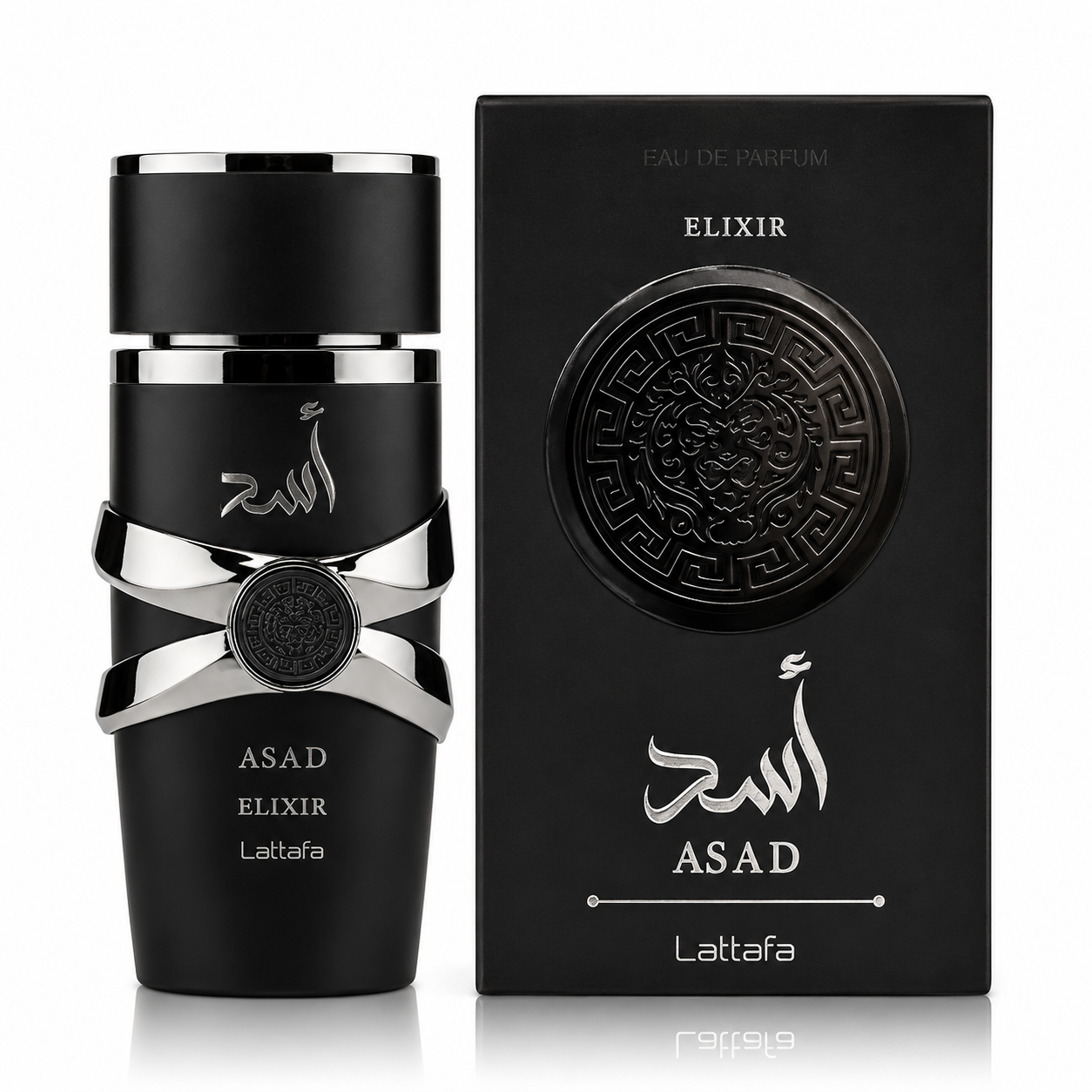
Asad Elixir
Tobacco and saffron over a sweet base. A high-potency formula that softens noticeably with rest.
£21.49
Add to basket
 4–6 weeks
Yara Elixir
Strawberry s’mores and caramel. Its dense gourmand base rounds out over the first month.
£21.99
Add to basket
4–6 weeks
Asad Bourbon
Cocoa and bourbon vanilla. Opens sharp from a fresh bottle, so give it the full window.
£17.99
Add to basket
4–6 weeks
Yara Elixir
Strawberry s’mores and caramel. Its dense gourmand base rounds out over the first month.
£21.99
Add to basket
4–6 weeks
Asad Bourbon
Cocoa and bourbon vanilla. Opens sharp from a fresh bottle, so give it the full window.
£17.99
Add to basket
5. How Long Does Perfume Maceration Take?
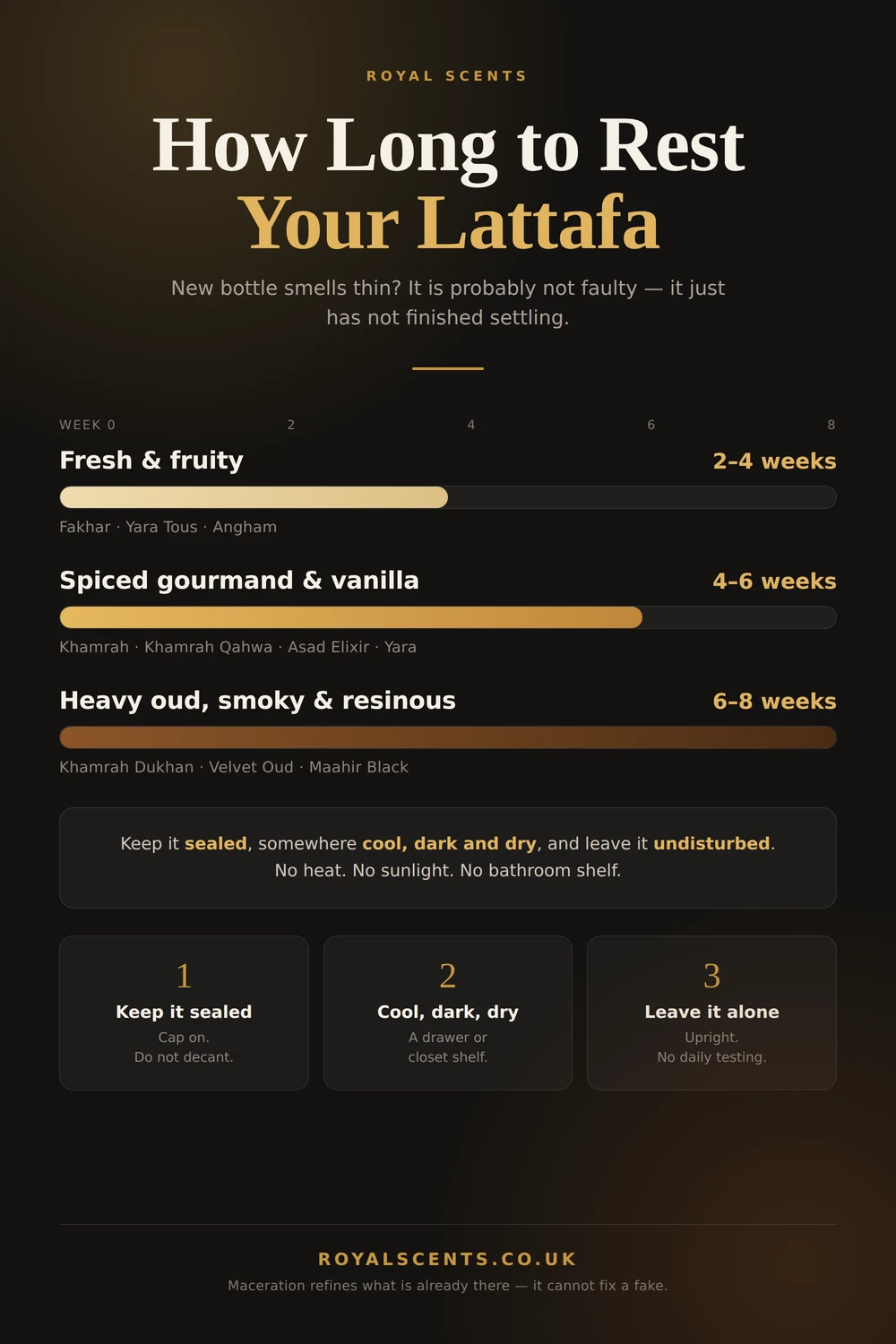
Most perfumes need four to six weeks of resting, within an overall range of two to eight weeks depending on how heavy the composition is. Light, fresh and fruity scents are usually ready in two to four weeks. Spiced gourmands and vanillas want four to six. Heavy oud, smoke and resin take six to eight — and a small number keep improving for months after that.
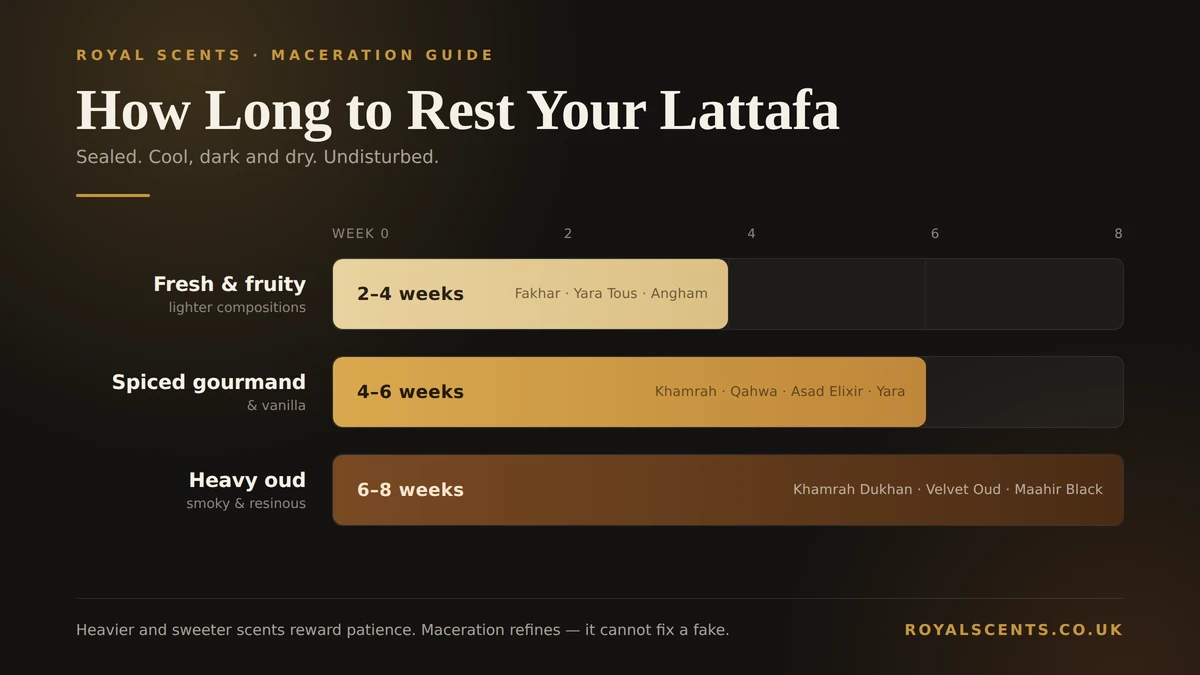
There is no single magic number, and maceration time is not something you can read off a label. The type of fragrance is the best guide you have: heavier, denser compositions take longer to integrate, lighter ones settle faster.
Treat these as general guidance, not a rulebook. The honest principle: the smokier, woodier and sweeter a scent is, the more it tends to reward patience. Khamrah Dukhan, with its dense smoky-resin profile, is the classic example that benefits from the longer end. For one bottle in detail, our guide to whether Lattafa Angham needs to macerate covers its sharp opening and what wearers report after four to eight weeks.
The most extreme case in the range is Maahir Black, currently sold out with us. Its cade oil, labdanum and leather construction reads genuinely ash-harsh on a fresh bottle. If you want a dark, smoky bottle you can order today, Khamrah Dukhan is the closest in-stock pick and wants the same long rest.
“After sitting for a year, it’s a completely different fragrance.”
A Fragrantica reviewer, on Lattafa Maahir Black
Six to eight weeks is the sensible minimum for Maahir Black, and unusually for a fragrance, this one keeps improving well beyond that.
 6–8 weeks
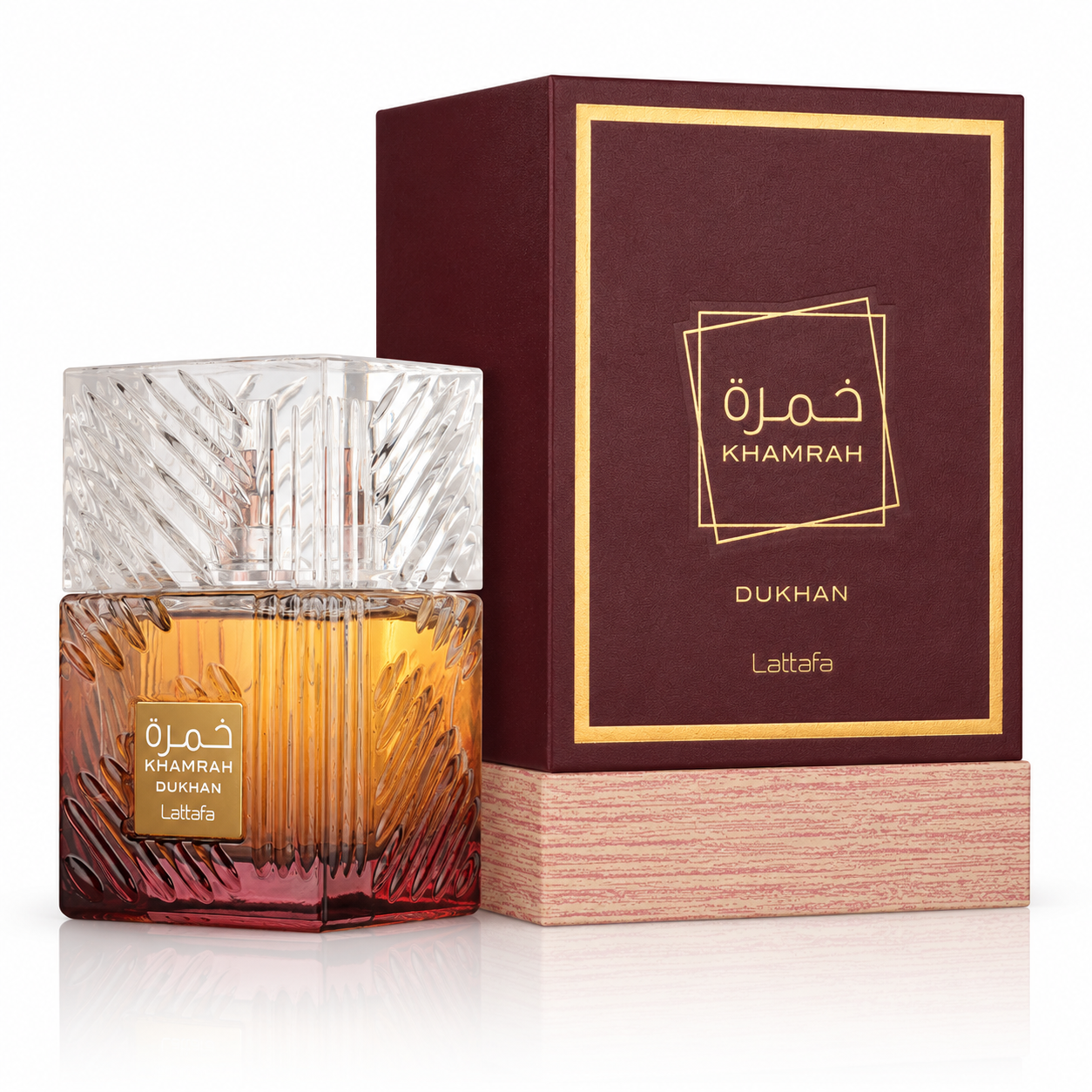
Khamrah Dukhan
Heavy oud, smoky & resinous — the longest rest in the range.
£20.49
Add to basket
6–8 weeks
Khamrah Dukhan
Heavy oud, smoky & resinous — the longest rest in the range.
£20.49
Add to basket6. How to Macerate a Perfume, Step by Step
The method needs no equipment and no skill — just patience and the right spot. Here is all there is to it:
Leave the spray bottle capped. An atomiser is already well sealed, so there is nothing to do to the bottle itself.
A bedroom drawer or a closet shelf is ideal. Somewhere stable, out of the light, away from steam.
Store it upright and let it rest. Resist the urge to test it daily; constant spraying does not speed anything up.
Direct sunlight · radiators and other heat sources · windowsills · humid bathrooms. These degrade a fragrance rather than improve it.
One real-world note: the very first few sprays of any fresh bottle can smell extra alcoholic because of air and concentrate sitting in the nozzle and tube. A few priming sprays into the air clear that, separate from maceration itself.
Can You Speed Up Perfume Maceration?
Honestly, no — and most of the shortcuts that circulate online make the bottle worse rather than better. Here is what does and does not work.
- Heat. A radiator, a hot windowsill or a warm water bath degrades top notes faster than it integrates anything
- Shaking or rolling. Introduces oxygen; does nothing for binding
- Spraying it every day. You cannot detect a week’s worth of change day to day — you just empty the bottle
- Maceration machines. Built for blending, not for a sealed retail bottle
- A stable room temperature. After cold transit or a hot van, a day or two back at normal room temperature genuinely changes how it smells
- Leaving it alone. Undisturbed, upright, capped
- Setting a baseline. Note what you smell on day one so you can actually judge the change later
- Time. It is the only real variable
If you want a shortcut, the only useful one is buying the kind of scent that does not need much resting in the first place — fresh and fruity compositions are wearable in two to four weeks.
7. Where to Store Perfume While It Macerates
Three questions come up constantly here: does it need a dark bottle, does the fridge help, and is there equipment you should buy. Short answers: no, no, and no.
Does perfume need a dark bottle to macerate?
The bottle it arrived in is almost always fine. What matters is darkness around the bottle, not darkness of the glass. If your bottle is clear glass and lives on an open shelf, the carton it came in does the same job as an amber bottle for free — put it back in the box and put the box in a drawer.
Dark glass genuinely matters for two cases: decants and travel atomisers, which are often clear and thin-walled, and any bottle that has to be stored somewhere with daylight. UV is what degrades fragrance, and a cardboard box blocks all of it.
Should you macerate perfume in the fridge?
No. A fridge preserves a fragrance; it does not macerate one. Maceration is a set of slow chemical reactions, and like most reactions they run slower when cold. Putting a new bottle in the fridge does not speed up settling — it delays it.
Fridges and dedicated fragrance coolers have a real use, but it is a different one: keeping an already-settled bottle stable over years, particularly citrus-heavy scents that oxidise quickly once opened. That is long-term preservation, and it belongs after maceration, not during it. A normal bedroom drawer at room temperature is what you want while a bottle is resting.
Do you need a maceration machine?
Ultrasonic and heated maceration units are sold for exactly this, and they do have a place in small-batch commercial blending where you are working with raw concentrate and need to compress a production cycle. For a sealed retail bottle of eau de parfum, they are solving a problem you do not have — and the heated ones risk the top notes you are trying to protect.
Upright · capped · in a drawer, wardrobe or its own box · stable room temperature · away from sunlight, radiators, windowsills and steamy bathrooms. That is it. Nothing to buy.
8. Is Perfume Maceration Real, or a Myth?
Short answer: it is real, but it is mostly not your job. Maceration is genuine chemistry and it happens whether anyone thinks about it or not. What is overstated is the claim that every new bottle needs weeks in a drawer before it is wearable. We would rather you trust this page than oversell it, so here is the balanced view most retailers leave out.
Not every perfumer agrees home maceration matters. Some argue that proper maceration is the maker’s responsibility before shipping, and that the idea a sealed bottle always “needs resting” is overstated. Their fair point: a correctly made fragrance should already be ready.
The most certain real effect is temperature recovery. If a bottle has been through cold transit or a hot delivery van, a day or two back at room temperature genuinely helps it settle. That part is not disputed.
Maceration cannot fix a fault. Resting improves a good fresh bottle. It will not rescue a genuinely bad batch, and it certainly will not turn a counterfeit into the real thing. If something smells deeply wrong rather than just young, the issue is elsewhere.
9. Weak, or Fake? How to Tell the Difference
This is the question that drives most worried messages, so it deserves a clear answer. A fresh-but-genuine bottle and a counterfeit can both disappoint on first spray, but they fail in different ways.
- Smells recognisably like the fragrance — just thinner
- Alcohol-forward on the first sprays
- Noticeably improves over weeks
- Packaging and verification scan both pass
- Smells plain wrong from the very first spray
- Fades within about an hour
- Never improves, however long you rest it
- Cheap packaging, or a failed verification scan
If the scent is right but shy, rest it. If the scent is wrong, check authenticity first. Our UK authentication guide walks through the QR verification and the physical tells in detail.
10. Don’t Return It — Let It Rest
If you take one thing from this page: a fresh Lattafa that smells a little flat is almost never a faulty one. Returning it on day one means giving up on a scent that was about to come into its own.
Spray it, note what you smell, then put it away for a few weeks. Come back and try it again on skin. The overwhelming majority of “this one’s weak” bottles are simply young, and a short wait is the difference between disappointment and the fragrance you actually paid for.
And if, after resting and an authenticity check, something is still genuinely wrong — that is exactly what our guarantee is for.
Every bottle we ship is authenticated on arrival. Pick the scent, give it its few weeks in the drawer, and let it become what it is meant to be.
Once your bottle has settled, the next question is usually which one to buy next. Our best Lattafa perfumes for men guide notes which of the ten picks need the longest rest before they smell as intended.
Several of the women’s bestsellers reward the same patience. Our ten best Lattafa perfumes for women ranks them by mood and season so you know what you’re waiting for.
11. Frequently Asked Questions
Tap a question to open the answer. The twelve things customers ask us most about resting a new bottle.
What is perfume maceration?
Perfume maceration is the resting period after a fragrance is blended, during which the aromatic compounds bind with the alcohol base. It softens the alcohol edge, calms the top notes and lets the base notes come forward, so the same juice smells rounder and lasts longer.
How long does perfume maceration take?
Four to six weeks is the usual answer, within an overall range of two to eight weeks. Fresh and fruity scents are ready in two to four, spiced gourmands in four to six, and heavy oud or smoky compositions in six to eight.
What is the difference between maceration and maturation?
Maturation comes first and rests the fragrance concentrate before alcohol is added. Maceration comes second and rests the finished solution after dilution. What happens in a drawer at home is maceration — maturation was over long before the bottle was filled.
Should I put perfume in the fridge to macerate it?
No. Cold slows the reactions you are waiting for, so a fridge delays maceration rather than speeding it up. Fridges are for preserving an already-settled bottle long term, especially citrus-heavy scents. While a bottle is resting, a drawer at room temperature is what you want.
Why does my new Lattafa smell weak?
The blend has not fully settled and the first sprays clear alcohol from the nozzle. A few weeks of rest usually rounds it out.
Does Khamrah Dukhan really need 6+ weeks?
Its dense smoky-resin profile is the type that rewards the longer end, so yes, give it extra time.
Why does a fresh Maahir Black smell like ash or cigarettes?
Because it is the smokiest, most resinous thing in the range — cade oil, labdanum and leather read harsh and burnt until the blend settles. Give Maahir Black six to eight weeks minimum before you judge it; wearers on Fragrantica report it mellowing and smoothing out a great deal with time. It is sold out with us at the moment; Khamrah Dukhan is the closest smoky alternative in stock.
Will the colour of my perfume change?
Slight colour shift over time can be normal, driven by oxidation. A drastic change paired with a wrong smell is worth checking.
My bottle still smells weak after 6 weeks — now what?
Re-test on skin, not paper, and prime the nozzle. If the scent is still wrong rather than just soft, run an authenticity check.
Do testers and minis need maceration too?
Same principle applies, though small volumes settle quickly.
Can maceration fix a fragrance I just don’t like?
No. It refines what is there; it will not change a scent into a different one.
Is it safe to spray while it’s “resting”?
Yes — occasional wear is fine. Just avoid leaving it somewhere hot or bright between wears.
What Our Customers Are Ordering Right Now
These are the bottles UK customers have ordered most from us over the past month, each tagged with how long it likes to rest. Every one is in stock and ships within 24 hours.
 ★ Most ordered this month
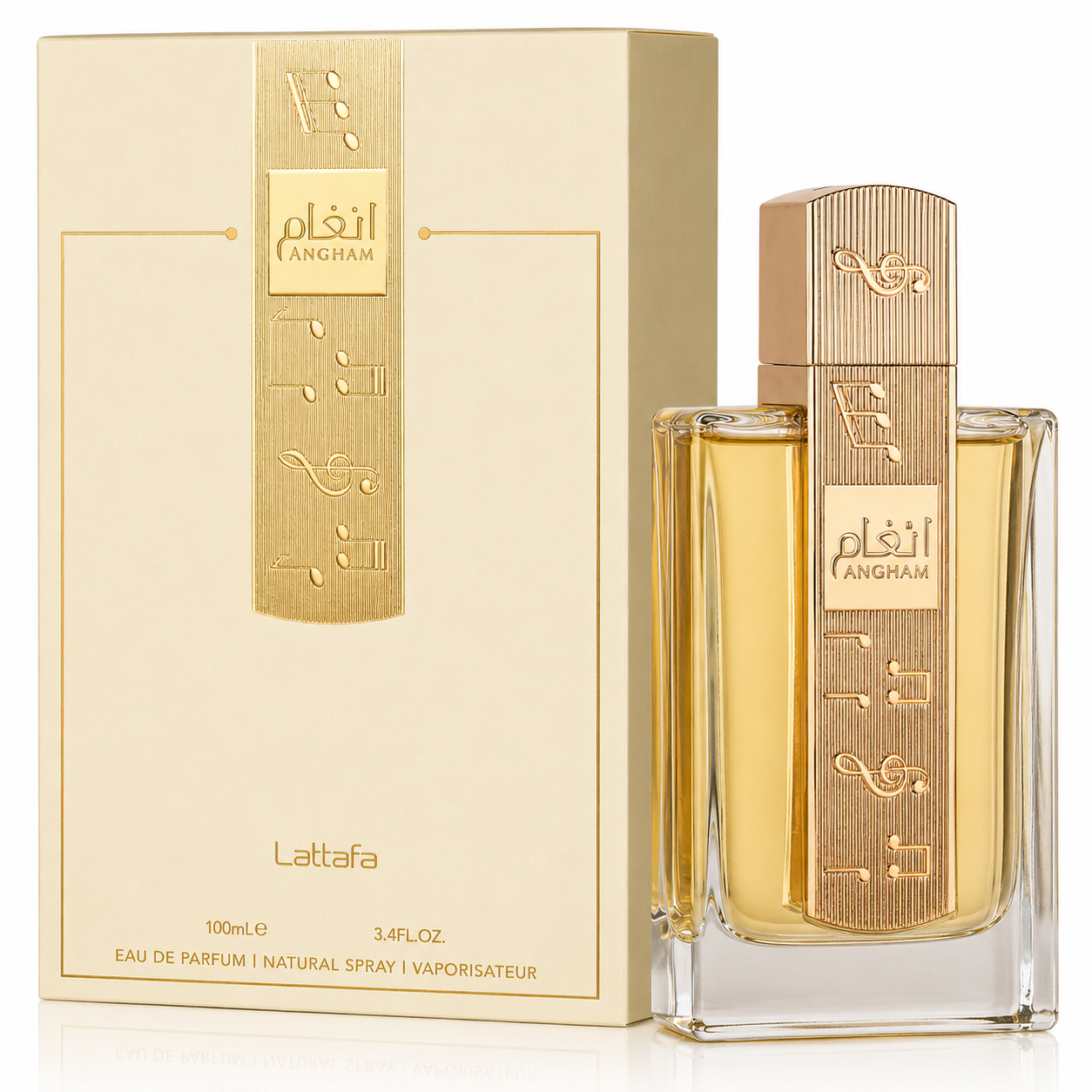
Lattafa Angham Burberry Goddess dupe
Lavender, cocoa and praline over soft vanilla — the Burberry Goddess alternative our customers order more than anything else. One of the quickest in the range to settle.
£17.99Add to basketView details →
★ Most ordered this month
Lattafa Angham Burberry Goddess dupe
Lavender, cocoa and praline over soft vanilla — the Burberry Goddess alternative our customers order more than anything else. One of the quickest in the range to settle.
£17.99Add to basketView details →
 4–6 weeks
Khamrah Qahwa
Coffee, dates and praline over vanilla. Richer and less sweet than Khamrah.
£20.99
Add to basket
4–6 weeks
Asad
Black pepper, tobacco and vanilla. The Sauvage Elixir alternative.
£17.99
Add to basket
4–6 weeks
Khamrah Qahwa
Coffee, dates and praline over vanilla. Richer and less sweet than Khamrah.
£20.99
Add to basket
4–6 weeks
Asad
Black pepper, tobacco and vanilla. The Sauvage Elixir alternative.
£17.99
Add to basket
 4–6 weeks
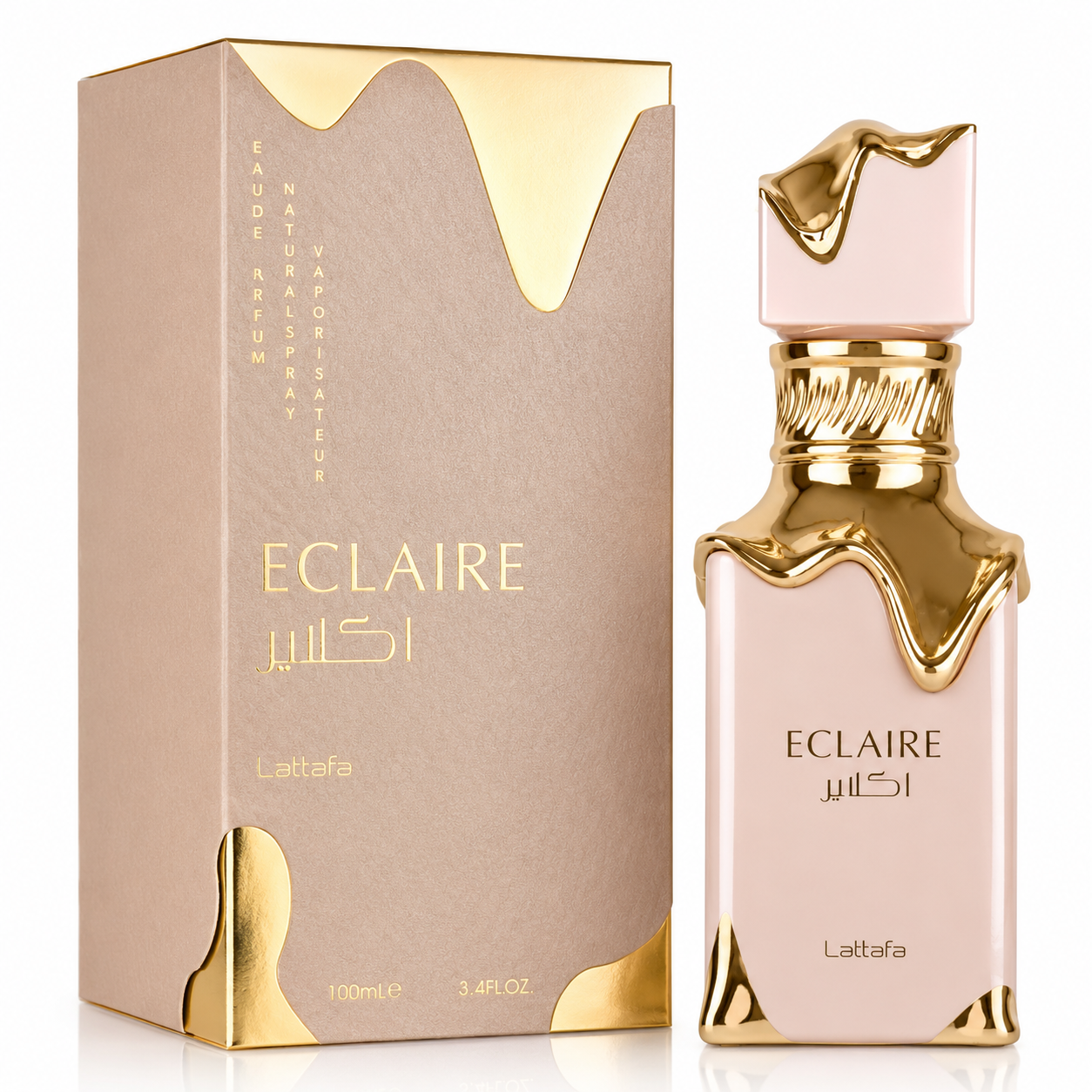
Eclaire
Caramel, milk and honey. The Bianco Latte alternative.
£19.99
Add to basket
4–6 weeks
Eclaire
Caramel, milk and honey. The Bianco Latte alternative.
£19.99
Add to basket
 4–6 weeks
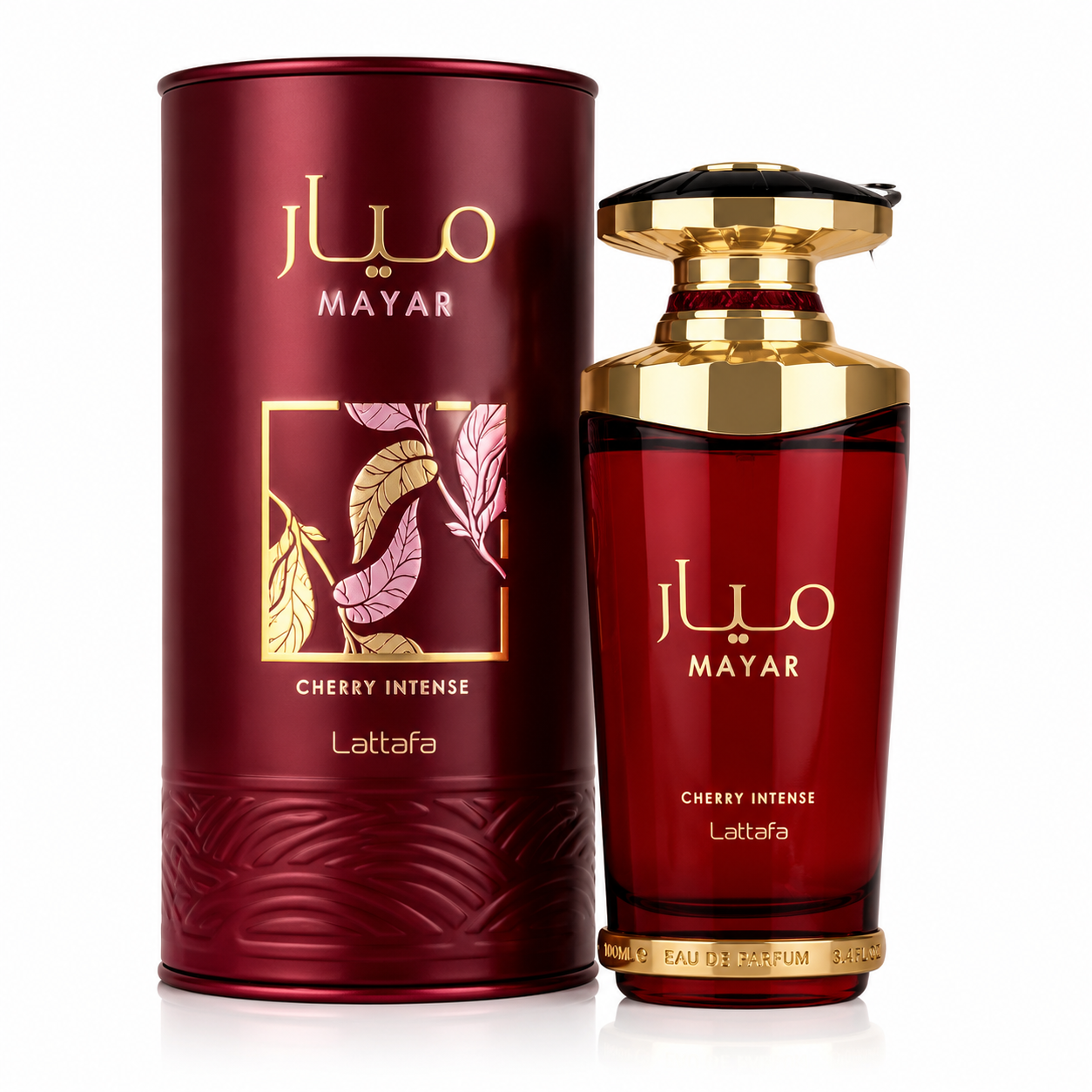
Mayar Cherry Intense
Cherry jam and dark cacao. Sweet, bold and unisex.
£16.99
Add to basket
4–6 weeks
Mayar Cherry Intense
Cherry jam and dark cacao. Sweet, bold and unisex.
£16.99
Add to basket
 2–4 weeks
Afeef
Juicy peach and tuberose over a soft praline base.
£23.99
Add to basket
2–4 weeks
Afeef
Juicy peach and tuberose over a soft praline base.
£23.99
Add to basket
 2–4 weeks
Emeer
Citrus, white tea and clean woods. The Clive Christian Town & Country alternative.
£28.99
Add to basket
2–4 weeks
Emeer
Citrus, white tea and clean woods. The Clive Christian Town & Country alternative.
£28.99
Add to basket
Based on Royal Scents orders over the past 30 days. Rest times follow the chart above.
Pick a Bottle by How Long It Needs
Every fragrance below is in stock and dispatched from the UK. They are grouped by the rest time from the chart above, so you can either buy something wearable in a fortnight or buy something worth waiting two months for — knowingly, either way.
6–8 weeks
Khamrah Dukhan
Smoky tobacco, incense and praline. The longest rest in the Khamrah range.
£20.49
Add to basket
 6–8 weeks
Bade’e Al Oud Oud for Glory
Saffron, nutmeg and oud. Dense enough to need the full window.
£19.99
Add to basket
6–8 weeks
Bade’e Al Oud Oud for Glory
Saffron, nutmeg and oud. Dense enough to need the full window.
£19.99
Add to basket
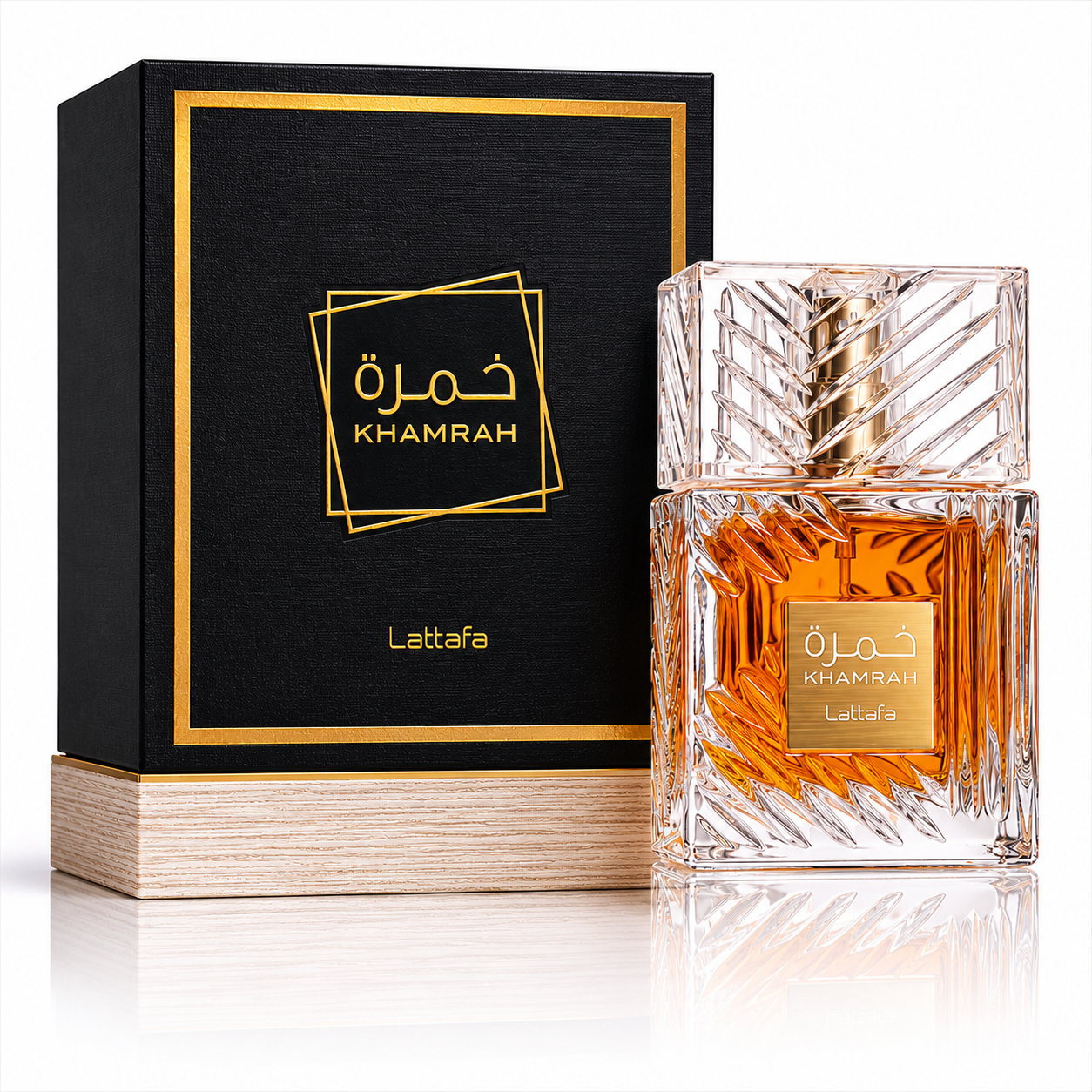 4–6 weeks
Khamrah
Spiced dates, praline and vanilla. The standard four-to-six week window.
£22.99
Add to basket
4–6 weeks
Khamrah Qahwa
The same spiced-date accord, led by coffee. Richer, less sweet.
£20.99
Add to basket
4–6 weeks
Khamrah
Spiced dates, praline and vanilla. The standard four-to-six week window.
£22.99
Add to basket
4–6 weeks
Khamrah Qahwa
The same spiced-date accord, led by coffee. Richer, less sweet.
£20.99
Add to basket
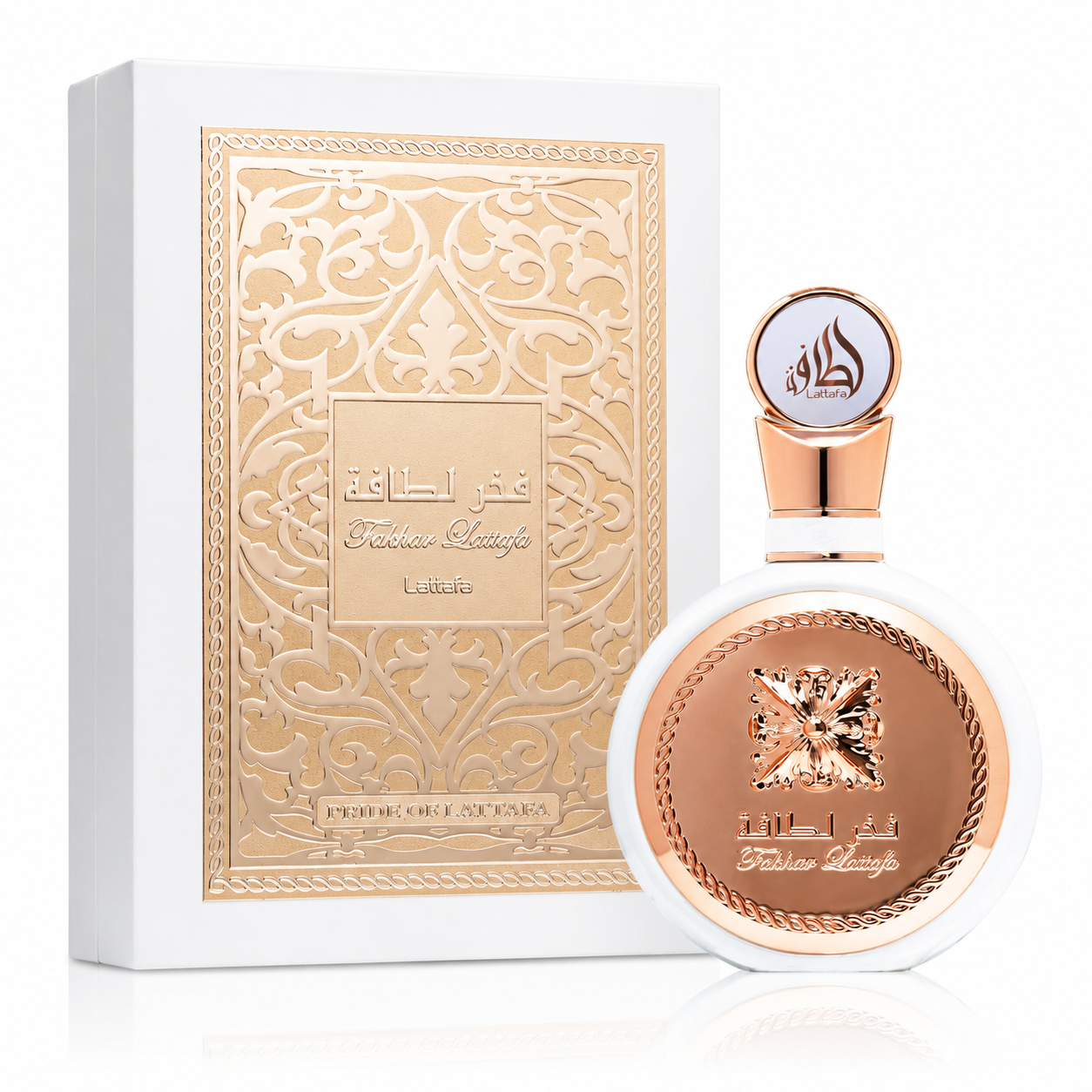 2–4 weeks
Fakhar Rose Gold
Seven white florals over warm vanilla. Wearable soonest of the six.
£18.99
Add to basket
2–4 weeks
Fakhar Rose Gold
Seven white florals over warm vanilla. Wearable soonest of the six.
£18.99
Add to basket
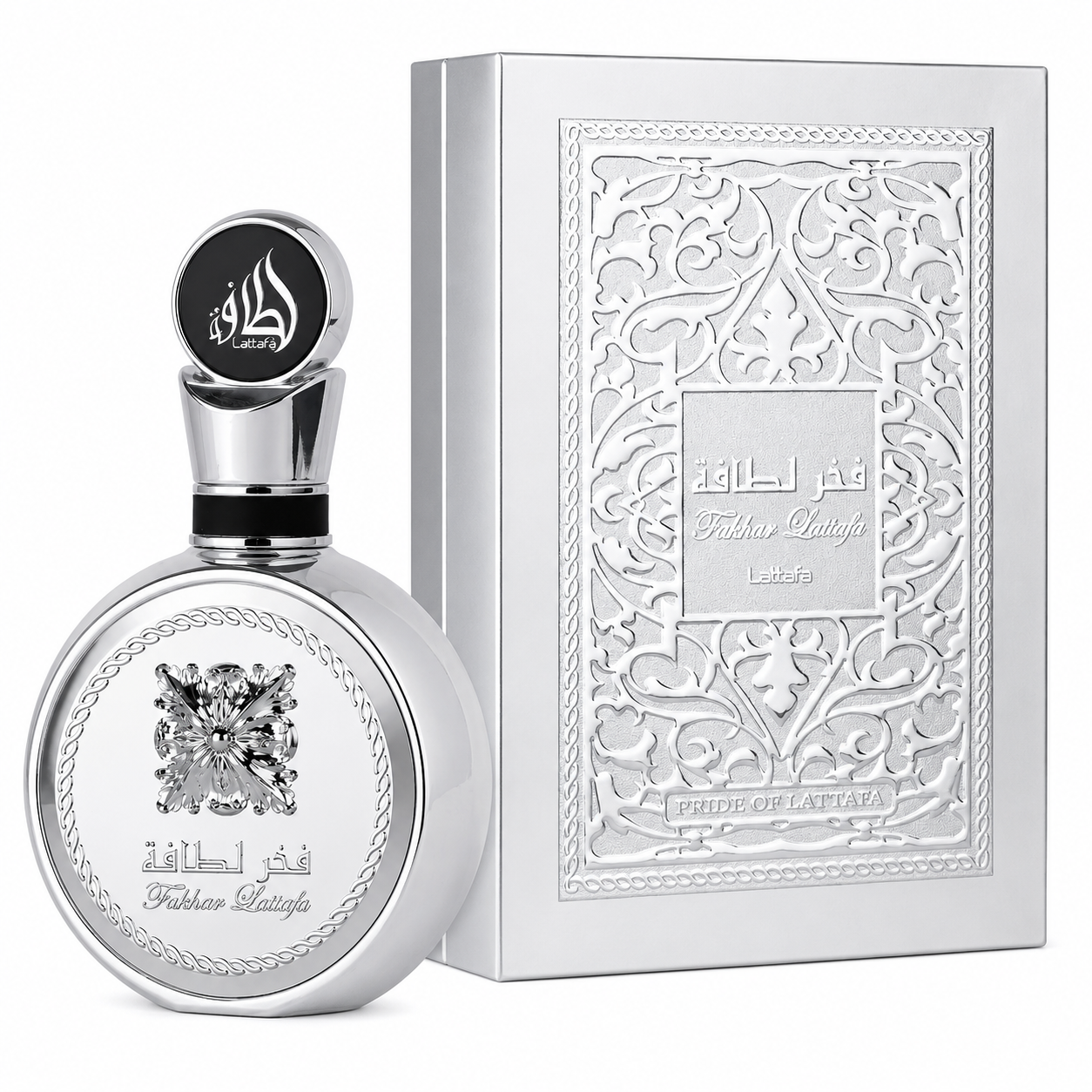 2–4 weeks
Fakhar Platinum
Bright citrus and guava over dry palo santo. Light, quick to settle.
£17.49
Add to basket
2–4 weeks
Fakhar Platinum
Bright citrus and guava over dry palo santo. Light, quick to settle.
£17.49
Add to basket
Free tracked UK delivery on every order, no minimum spend · dispatched within 24 hours · 30-day returns · every bottle carries the official Lattafa holographic authentication label.
- Blakeway et al., “Chemical reactions in perfume ageing”, International Journal of Cosmetic Science (1987): the chemistry behind maceration.
- The Society of Scent, glossary entry on maturation: maturation as the concentrate resting before alcohol is added.
- Fragrantica, Maahir Black Edition: note pyramid and wearer reviews on how it changes with age.
- Rest-time bands on this page are Royal Scents guidance from stocking and wearing the range. They are not figures published by Lattafa.
About the Author
Shaheen Shah Abrar is the Founder of Royal Scents (Fragrancy Limited, London) — the UK’s most comprehensive Lattafa fragrance retailer specialising in designer alternatives and Arabian perfumery.
Shaheen built Royal Scents to bring authentic, research-verified Lattafa fragrances to UK buyers. Every product description and hub page is personally researched against multiple expert sources — Parfumo, ScentClones, Equivalenza Profumi, Fragrantica, and Skinsort. The mission: cut through designer dupe marketing hype and deliver honest information UK buyers can actually trust.
Related Guides & Categories
How to spot fake Lattafa (authentication guide) · Which Lattafa Khamrah is best? · Lattafa oud perfumes · Lattafa vanilla perfumes · Lattafa for men · Lattafa for women